

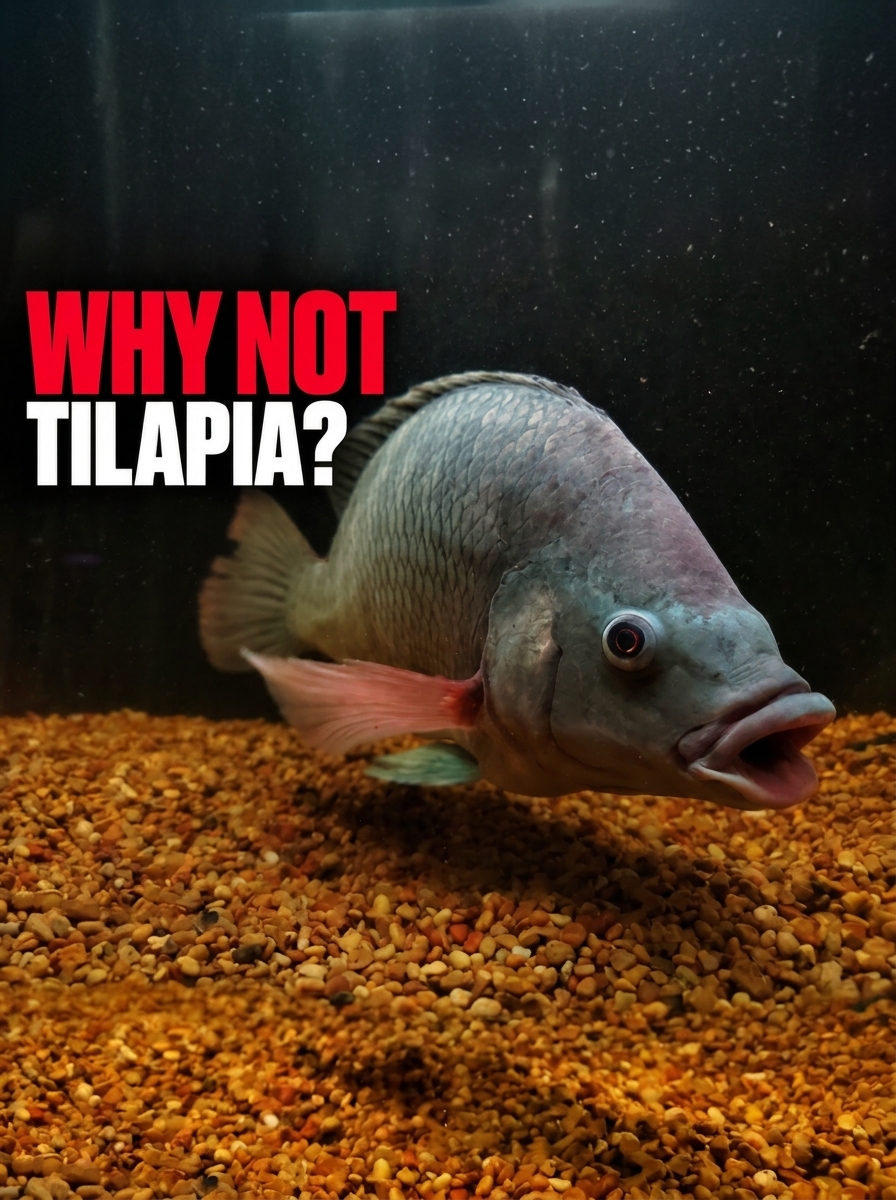
Tilapia deserves a closer look
Search online and you will find alarming headlines telling people not to eat tilapia. But is tilapia really the problem, or should we be asking where the fish came from and how it was raised?
Tilapia can be a nutritious part of a balanced diet. It is a lean source of high-quality protein and provides important nutrients, including vitamin B12, selenium, phosphorus, and niacin.
Tilapia is also considered a lower-mercury fish and is included on the U.S. Food and Drug Administration's list of Best Choices for seafood.
The fish may not be the problem
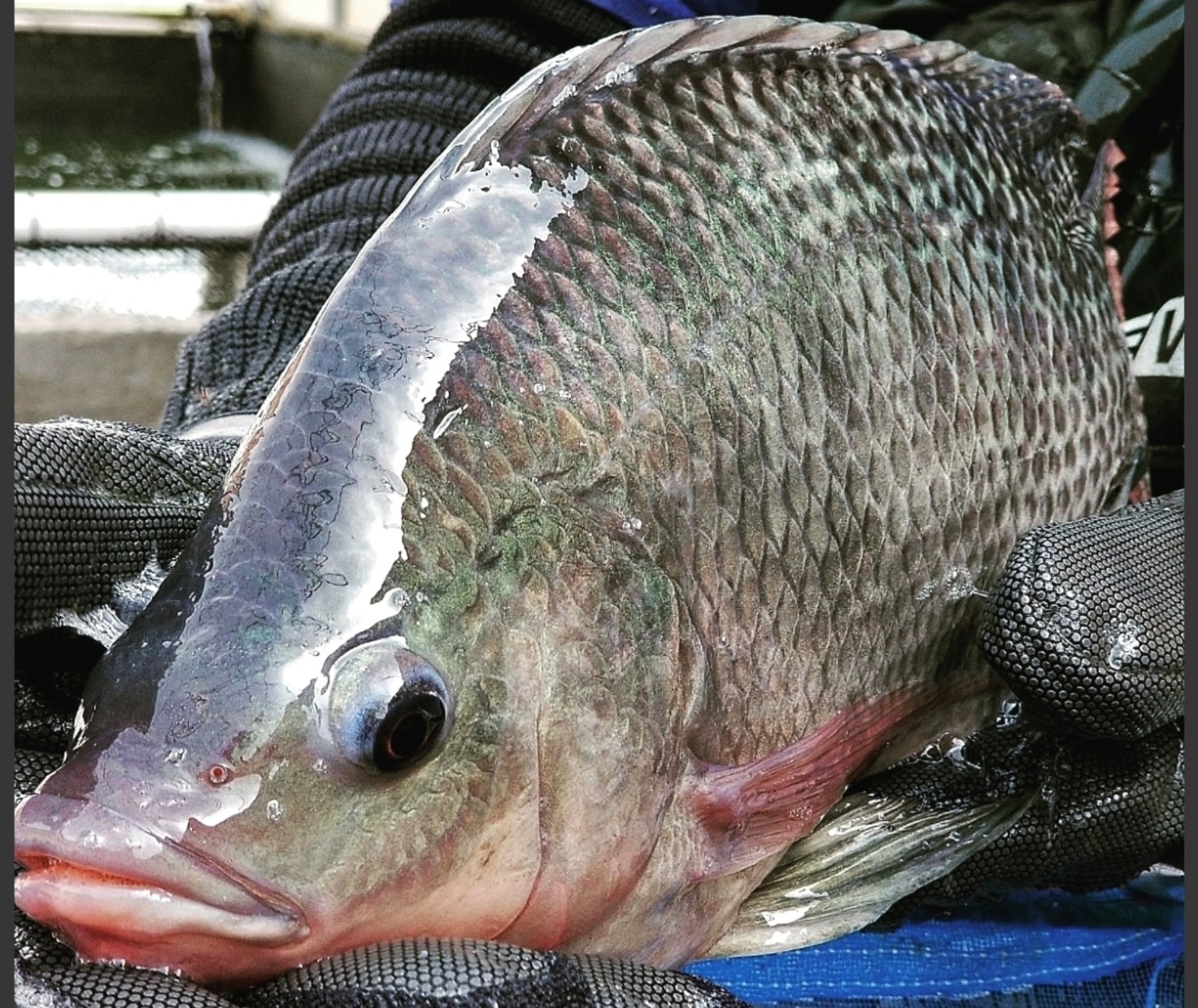
Tilapia is one of the most widely farmed fish in the world, but not all tilapia is produced under the same conditions.
Depending on its origin and producer, important differences may include water quality, feed ingredients, stocking density, fish health, animal welfare, handling, processing, traceability, and the time between harvest and sale.
The better question is: "Where did my tilapia come from, and how was it raised?"
Just as the quality of beef, chicken, fruits, and vegetables depends on how they are produced, the quality of tilapia depends heavily on its environment, nutrition, health, handling, and freshness.
Meet Spring Tilapia
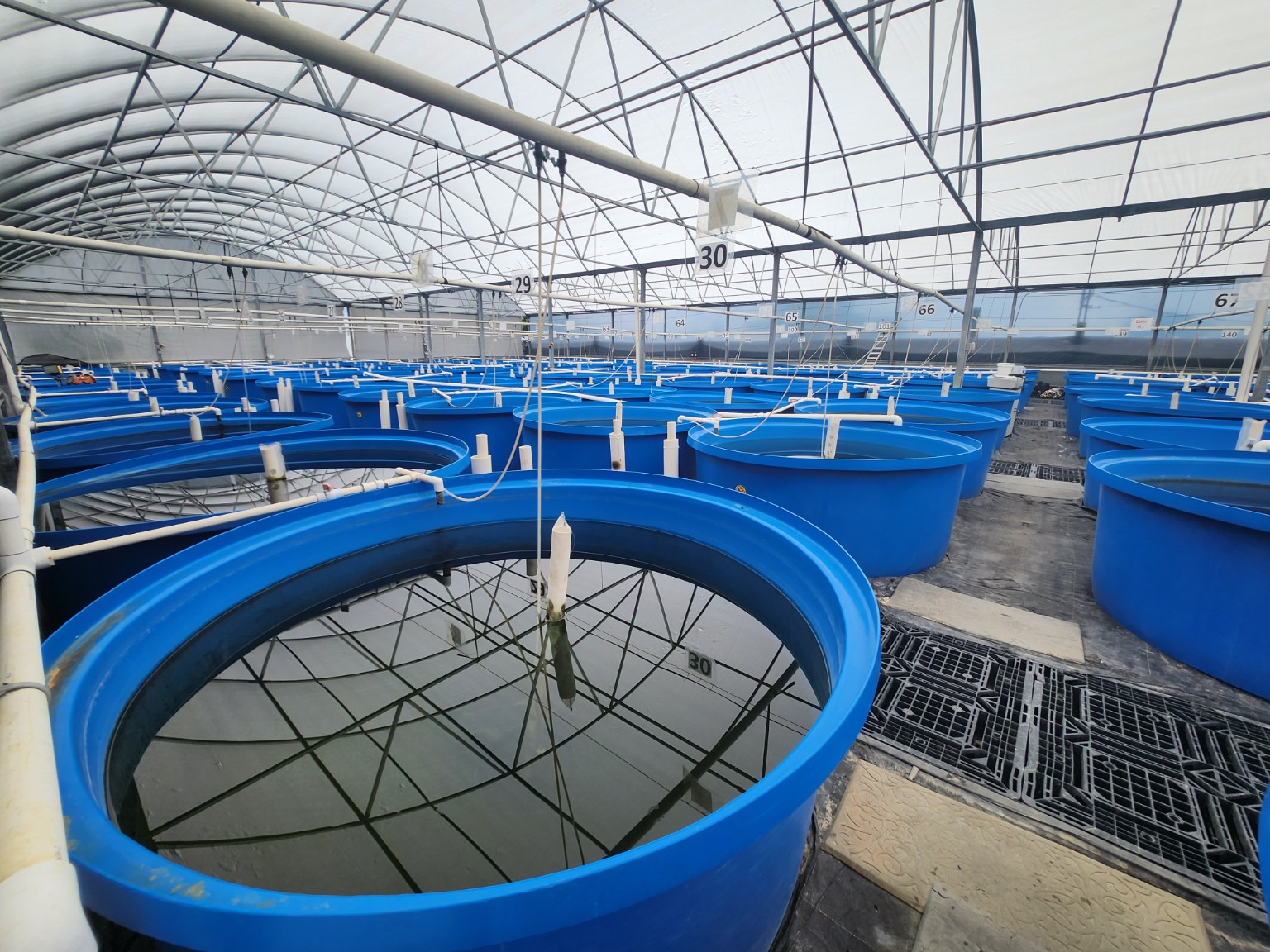
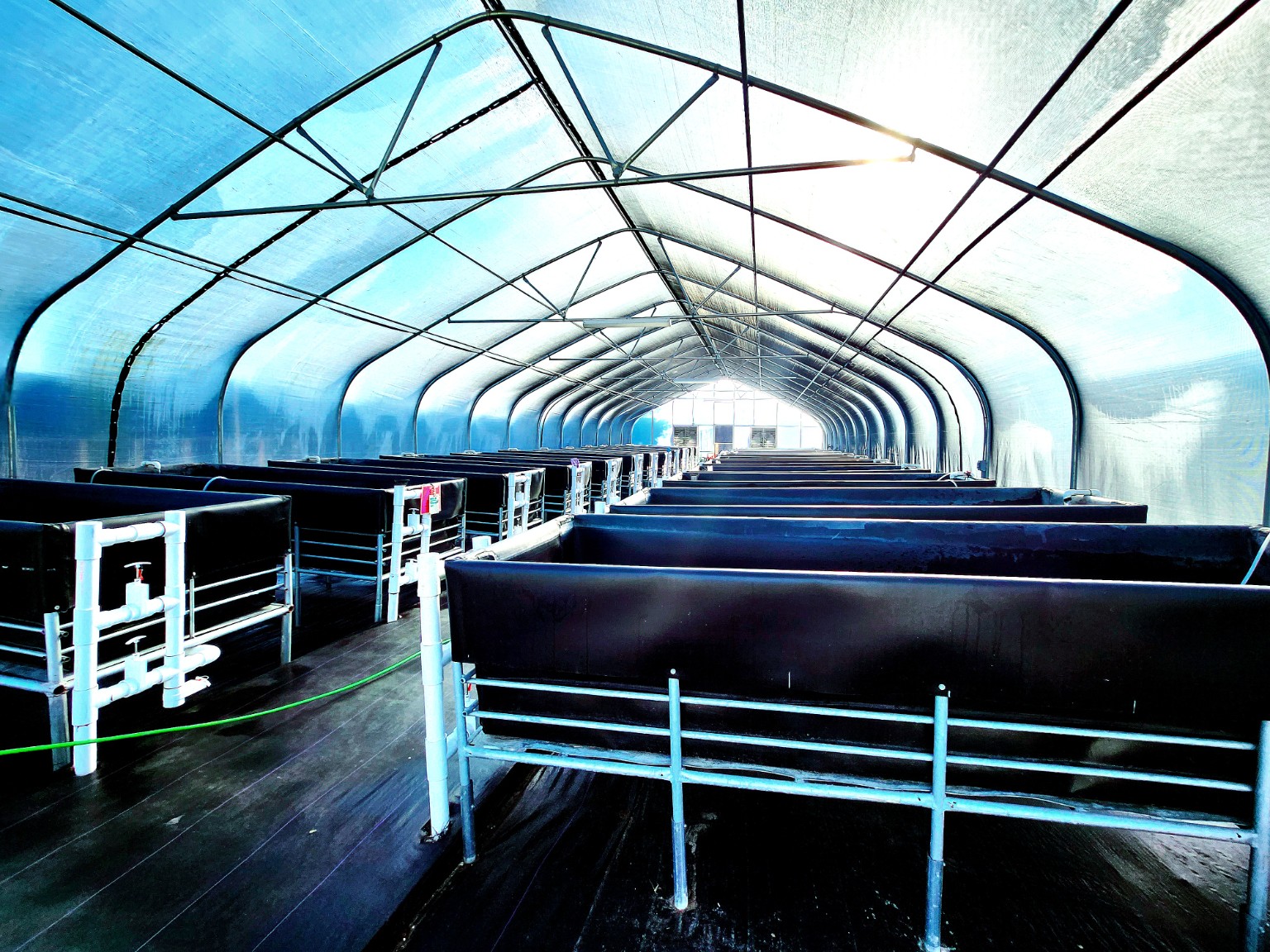
Spring Tilapia is different because it is U.S. farm-raised in Florida under carefully managed production conditions.
Our team closely monitors water quality, fish health, nutrition, biosecurity, animal welfare, and every stage of production. Our tilapia are raised using clean Florida well water and quality feed produced in the United States.
This gives us greater control and traceability over the fish's journey, from breeding and hatching to grow-out and harvest.
What greater control means
- Carefully monitored water and production conditions
- Consistent fish quality
- Responsible animal care
- Greater traceability
- A fresher final product
Our own natural breeding program
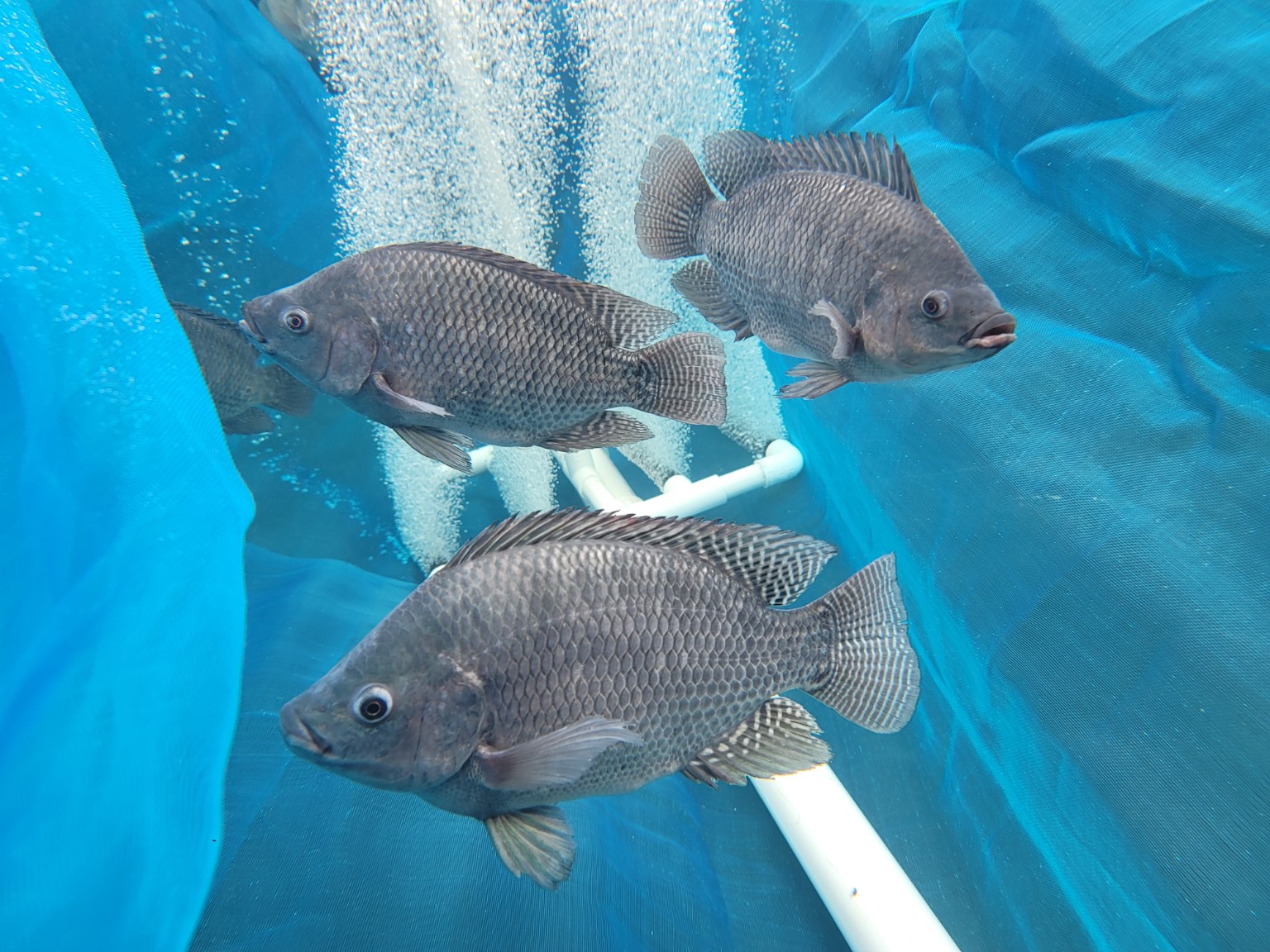
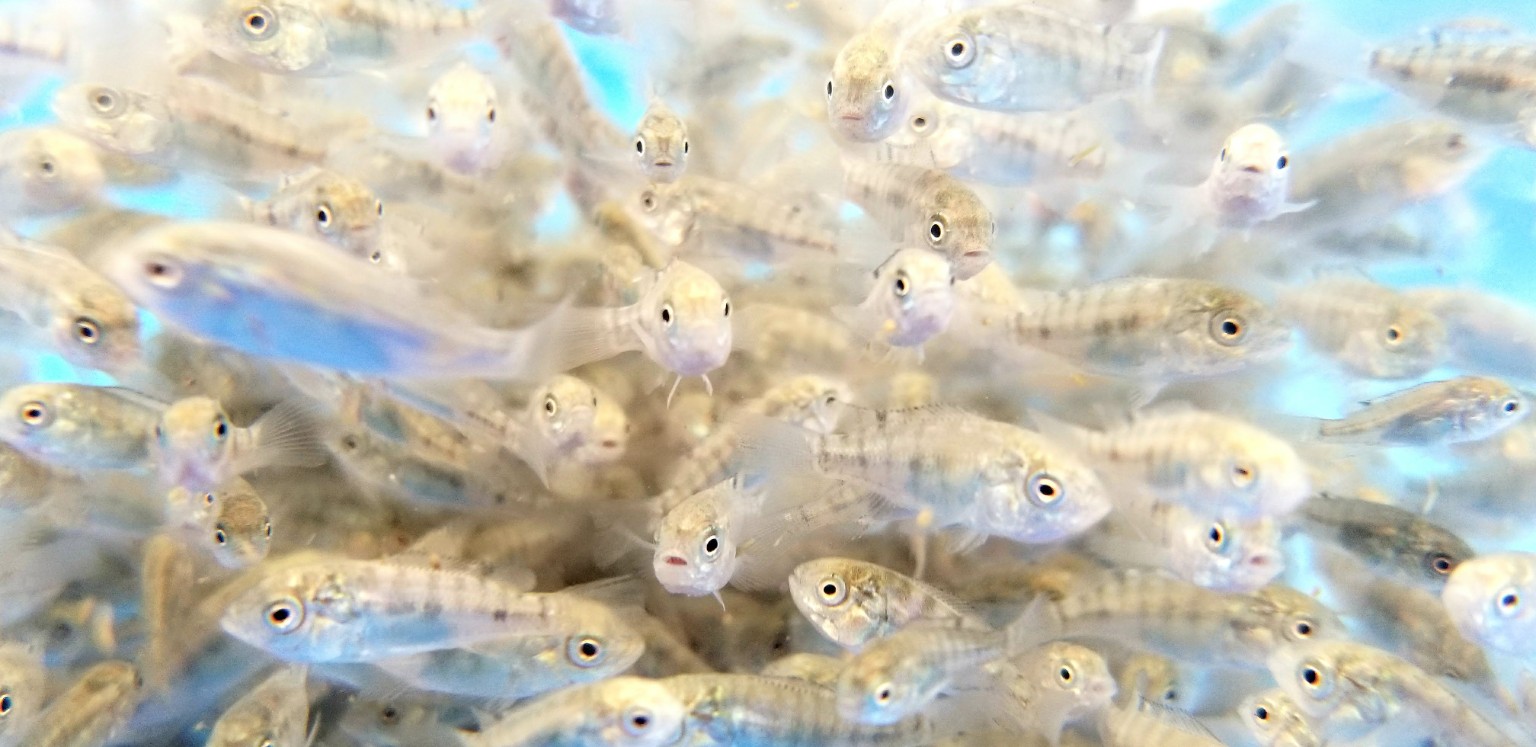
We have our own natural breeding program, Spring Genetics, developed in Miami to produce healthy, robust tilapia adapted to our farming conditions.
Our program uses traditional selection, not genetic modification or gene editing. Generation after generation, we select the best-performing fish as parents for the next generation.
This natural, science-based process supports healthier fish, more efficient production, improved animal welfare, and a dependable product for American consumers.
Taste the difference
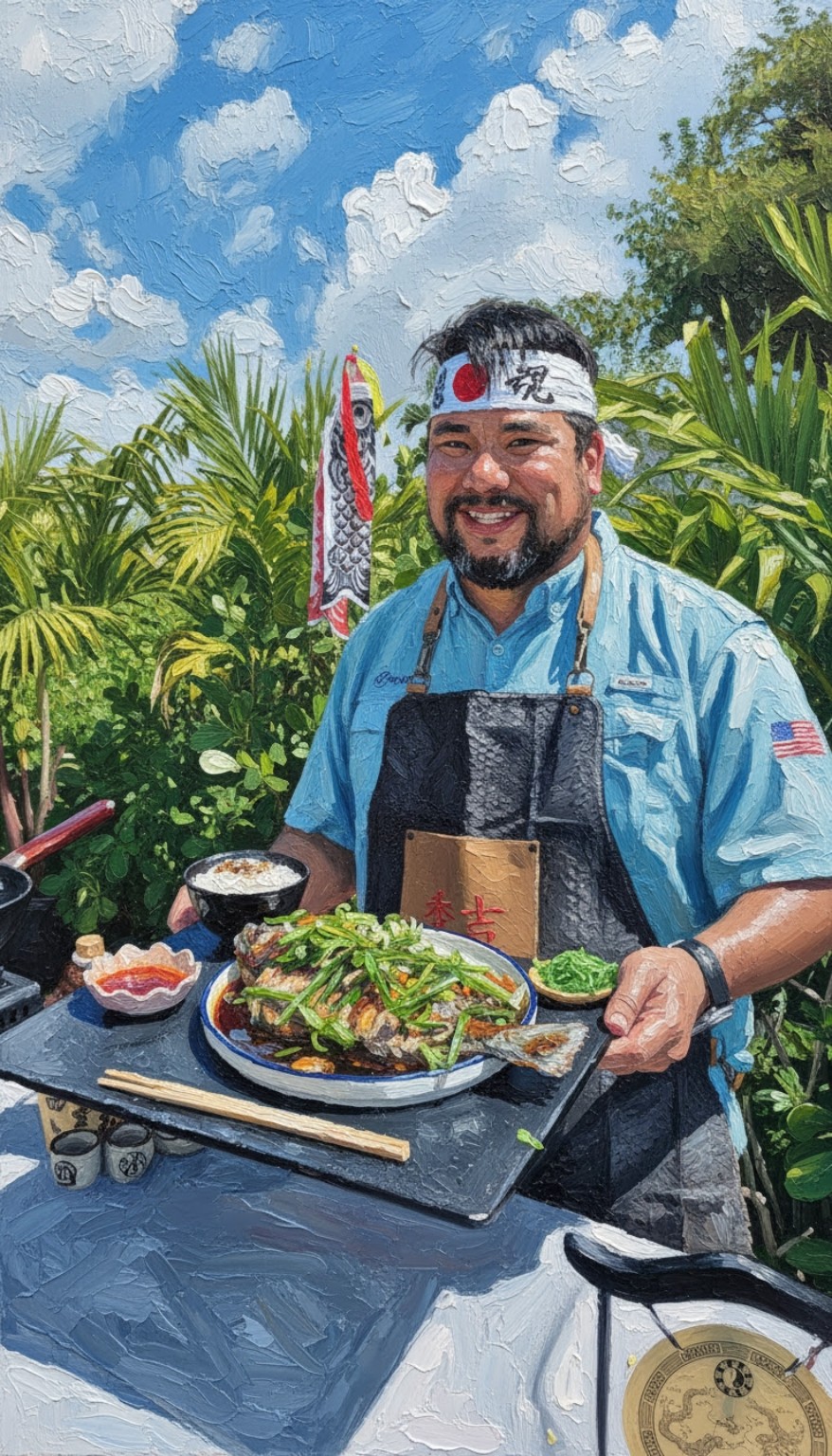
Tilapia naturally has a mild flavor, but water quality, nutrition, harvesting, handling, and freshness can dramatically affect the final taste.
At Spring Tilapia, we believe consumers deserve to know where their food comes from. When tilapia is raised responsibly under carefully controlled conditions, and close to the market, it can offer a clean, mild flavor and an appealing texture.
So, the next time someone says, "Don't eat tilapia," ask one simple question: "Which tilapia?" Because not all tilapia is raised the same.
Choose locally produced. Choose greater traceability. Choose U.S. farm-raised.